
Complete Guide to Florida Home Inspections
Florida home inspections are one of the most important steps in any real estate transaction. Whether you are purchasing your first home in Miami, a vacation property in Naples, or an investment condo in Orlando, a thorough professional inspection protects you from costly surprises and gives you the information you need to negotiate with confidence.
Florida presents unique inspection challenges that buyers in other states simply do not face. The combination of intense heat, high humidity, hurricane exposure, and an aging housing stock creates a set of risks that require a trained, Florida-licensed inspector to properly evaluate. This guide walks you through everything you need to know before, during, and after your home inspection.
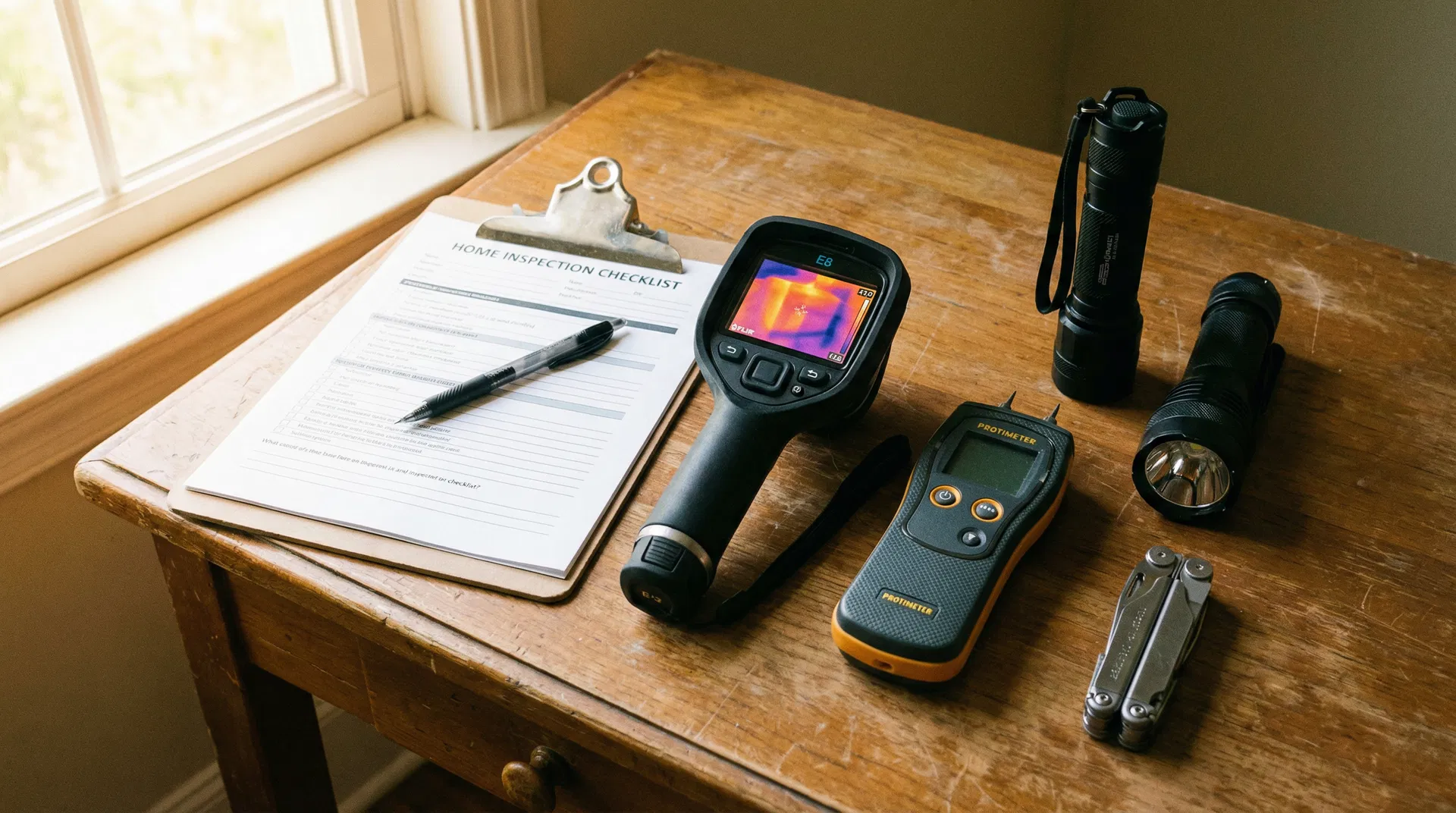
Florida's climate is hard on homes. The average annual humidity in South Florida exceeds 75 percent, creating ideal conditions for mold growth, wood rot, and pest infestation. Homes that appear pristine on the surface can harbor serious moisture-related damage inside walls, under flooring, and in attics. A professional inspector uses moisture meters, thermal imaging cameras, and visual examination to detect these hidden problems before they become your financial responsibility.
Beyond moisture, Florida homes face hurricane risk that demands specific structural evaluation. Roof-to-wall connections, roof decking attachment, and opening protection are all critical factors that affect both safety and insurance costs. An inspector trained in Florida-specific issues will evaluate these systems as part of a comprehensive inspection.
A standard Florida home inspection evaluates the following major systems and components: the roof, including shingles, flashing, gutters, and visible decking; the attic, including insulation, ventilation, and signs of moisture or pest activity; the foundation and structural components; the exterior, including siding, windows, doors, and grading; the electrical system, including the main panel, wiring type, and visible outlets and fixtures; the plumbing system, including supply lines, drain lines, water heater, and visible fixtures; the HVAC system, including the air handler, condenser, ductwork, and thermostat operation; and all interior spaces, including walls, ceilings, floors, and built-in appliances.
In Florida, inspectors also pay particular attention to signs of Chinese drywall (found in some homes built between 2001 and 2009), aluminum wiring in older homes, and polybutylene plumbing in homes built before 1995. These are Florida-specific concerns that can affect insurability and value.
Many Florida buyers are surprised to learn that a standard home inspection is different from the specialized inspections required by insurance companies. A 4-point inspection is a separate report that evaluates only the four major systems (roof, electrical, plumbing, and HVAC) in the format required by Florida insurance carriers. A wind mitigation inspection documents hurricane-resistant features to qualify for insurance discounts. A roof certification certifies the remaining useful life of the roof.
If you are purchasing a home that is 25 years old or older, your insurance company will likely require a 4-point inspection before issuing a policy. If the home is in a coastal area or you want to reduce your homeowners insurance premium, a wind mitigation inspection may help you qualify for insurance discounts depending on your property's construction features and your carrier's guidelines. JAX Inspection Services provides all of these inspections, and many buyers choose to bundle them for cost savings.
Florida requires home inspectors to be licensed by the Department of Business and Professional Regulation (DBPR). When hiring an inspector, verify their license number on the DBPR website, confirm they carry errors and omissions (E&O) insurance, and ask about their experience with the specific type of property you are purchasing. Look for inspectors who are members of professional organizations such as InterNACHI or ASHI, which require continuing education and adherence to standards of practice that go beyond the state minimum requirements.
After your inspection, you will receive a detailed written report, typically within 24 to 48 hours. The report will include photographs of every deficiency found, a description of each issue, and recommendations for repair or further evaluation by a specialist. Review the report carefully with your real estate agent and use it as the basis for any repair requests or price negotiations.
Not every item in an inspection report is a deal-breaker. Inspectors note everything they observe, from minor maintenance items to major structural concerns. Your agent can help you prioritize which items to address in negotiations and which are simply part of normal home ownership. The cost of a home inspection in Florida typically ranges from $300 to $600 for a standard single-family home, depending on size, age, and location. Discovering a $15,000 roof problem or a $8,000 electrical panel replacement before closing is far less painful than discovering it after you own the home.
JAX Inspection Services serves all of Florida, from Jacksonville to Key West. Our licensed inspectors deliver detailed reports within 48 hours and are available to answer your questions throughout the process. Contact us today to schedule your inspection.
Frequently Asked Questions
Ready to Schedule Your Inspection?
Contact us today for expert home inspection services throughout Florida
Schedule Now